Imagine being in your 30s or 40s. You’re sitting at your desk most of the day, work gets busy, and exercise slowly becomes too inconvenient to keep on schedule. Then, you climb a couple flights of stairs and realize you’re more out of breath than you used to be.
Doctor said your cholesterol or blood sugar was unusually high, clothes fit a little tighter, or you simply feel like your energy isn’t what it used to be.
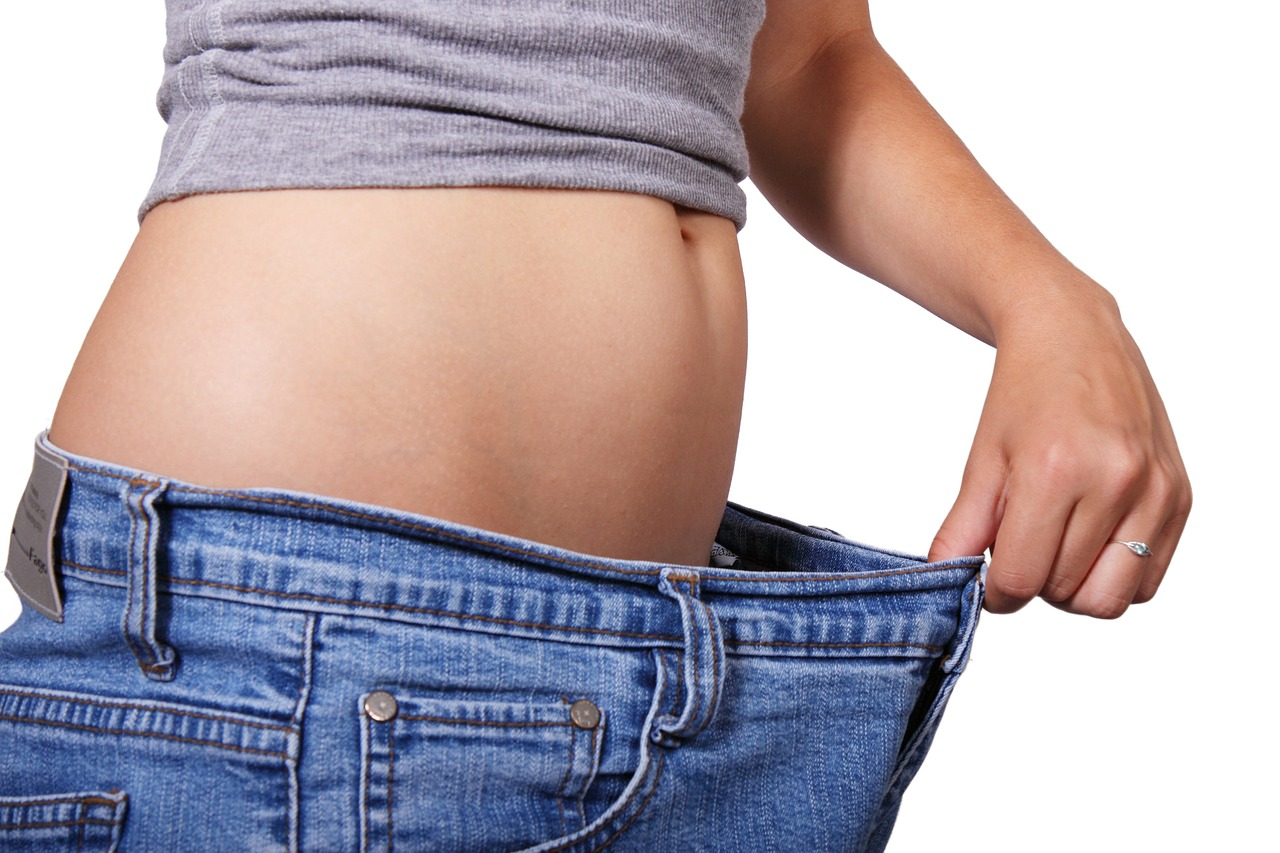
You don’t want a complicated diet. You’re not interested in turning your life into a strict gym routine. You just want to lose 20 pounds, improve your health, and feel a little more confident in the nude.
Many people searching for how to lose weight naturally are in a similar situation:
- you sit most of the day for work
- you’re not especially athletic
- you want realistic changes rather than extreme dieting
Lucky for you, research consistently shows weight loss doesn’t require extreme workouts or complicated meal plans. Small daily habits (reducing sugary drinks, improving meal quality, and walking regularly) can produce steady, sustainable results.
The Easiest Way to Lose Weight Naturally
Sedentary adults can often lose weight naturally by reducing sugary drinks, improving meal quality, and walking regularly. Most health guidelines recommend creating a daily calorie deficit of about 500–750 calories, which typically leads to 1–2 pounds of weight loss per week.
For someone trying to lose 20 pounds, a realistic timeline is usually 3–5 months.
Evidence Snapshot: What Research Shows About Weight Loss
Several large studies and clinical reviews consistently identify a few key drivers of successful weight loss.
| Research Finding | Key Data |
| Calorie deficit drives most weight loss | A daily deficit of 500–750 calories typically produces 1–2 pounds of weight loss per week |
| Regular aerobic activity supports weight reduction | Participants exercising 5 days per week lost 3.9–5.2 kg (8.5–11.5 lb) over 10 months |
| Weight regain is common without long-term habits | More than 50% of lost weight is regained within 2 years |
Calorie deficit drives most weight loss
A daily calorie deficit of 500–750 calories is widely recommended in clinical guidelines and typically produces steady weight loss of 1–2 pounds per week.
Regular aerobic activity supports weight reduction
In a 10-month controlled exercise study, participants who exercised five days per week lost about 3.9–5.2 kg (8.5–11.5 pounds) on average, even without changing their diet.
Long-term habits matter most
Meta-analysis research shows that more than half of lost weight is often regained within two years, and over 80% may return within five years without sustained lifestyle changes.
Why Weight Gain Happens So Easily
Weight gain rarely happens because of one habit. It usually develops slowly through everyday patterns.
Many modern routines make it easier to consume more calories than the body burns. Common contributors include:
- sedentary work and long hours sitting
- frequent restaurant or takeout meals
- sugary drinks and sweet coffee beverages
- ultra-processed foods that are easy to overeat
- reduced daily physical activity
Global health data reflects these lifestyle changes. Obesity rates worldwide have more than doubled since 1975, and recent U.S. data shows that more than 42% of adults meet the medical definition of obesity.
Even moderate weight gain can increase the risk of several chronic health conditions:
- type 2 diabetes
- cardiovascular disease
- sleep apnea
- certain cancers
The encouraging part is that weight loss does not have to be dramatic to improve health. Research shows that losing 5–10% of body weight can significantly improve markers such as blood sugar, blood pressure, and cholesterol levels.
For someone who weighs 200 pounds, that improvement can happen with a loss of 10–20 pounds.
Can You Lose Weight Without Intense Exercise?
Quick Answer: Yes. For beginners, most weight loss comes from improving eating habits and daily routines rather than intense workouts. Exercise still plays an important role in overall health and helps maintain weight loss over time, but it doesn’t have to start with high-intensity training.
Many sedentary adults begin with simple forms of movement, such as walking, light cycling, or recreational activity. Even modest increases in daily movement can increase calorie expenditure and improve cardiovascular health.
The goal at the beginning is not maximum intensity. The goal is consistency.
Step 1: Reduce Sugary Drinks and Liquid Calories
Quick Answer: Cutting sugary drinks is often one of the fastest ways to lower daily calorie intake.
Many common beverages contain hundreds of calories but provide little satiety, meaning they don’t make you feel full.
Examples:
- sweetened coffee drinks
- soda
- energy drinks
- sweet tea
- flavored lattes
A large flavored coffee drink can contain 250–400 calories, roughly the same as a small meal. Replacing these drinks with lower-calorie options can significantly reduce daily intake. Even small drink substitutions can remove 300–500 calories per day, which can create a meaningful calorie deficit over time.
Simple substitutions:
- coffee with milk instead of flavored syrups
- sparkling water instead of soda
- unsweetened tea
- black coffee
Step 2: Improve Meals Without Extreme Dieting
Quick Answer: Meals built around protein, fiber, and minimally processed foods tend to support weight loss by improving satiety and reducing overeating.
Scientific reviews consistently show that the total number of calories consumed is the main driver of weight loss, while specific macronutrient ratios are less important. However, certain foods help regulate appetite better than others.
Protein helps control hunger
Protein slows digestion and increases satiety, which helps people feel full longer after meals. Protein intake during weight loss also helps preserve lean muscle mass.
Common protein sources:
- eggs
- chicken
- fish
- Greek yogurt
- beans
- tofu
Fiber improves appetite regulation
Fiber slows digestion and stabilizes blood sugar levels. Meals that combine protein and fiber tend to be more filling, which naturally reduces snacking later in the day.
Foods rich in fiber:
- vegetables
- fruits
- legumes
- whole grains
What Does a Simple Day of Eating for Natural Weight Loss Look Like?
Many people find it easier to understand healthy eating with a simple example. Below is a realistic day of meals that emphasizes protein, fiber, and whole foods. They also avoid many of the highly processed foods that are easier to overeat.
Breakfast
- Greek yogurt with berries and a handful of nuts
- Coffee or tea
Lunch
- Grilled chicken salad with mixed vegetables, olive oil, and vinegar
Snack
- An apple with a small handful of almonds
Dinner
- Salmon, roasted vegetables, and a serving of rice or quinoa
- Meals like these tend to provide steady energy and help control hunger throughout the day.
Step 3: Walk Your Way Into Better Fitness
Quick Answer: Walking is one of the easiest ways for sedentary adults to begin increasing daily activity. It improves cardiovascular health, burns calories, and is simple to maintain long term.
Exercise research shows that consistent aerobic activity can produce measurable weight loss even without major dietary changes. In a controlled 10-month exercise study, participants exercising five days per week lost approximately 3.9–5.2 kg (8.5–11.5 pounds) on average.
The table below shows approximate calories burned during 30 minutes of moderate walking (about 3–4 mph).
| Body Weight | Calories Burned (30 min walk) |
|---|---|
| 125 lb (57 kg) | ~120 calories |
| 155 lb (70 kg) | ~150 calories |
| 185 lb (84 kg) | ~180 calories |
| 215 lb (98 kg) | ~210 calories |
| 245 lb (111 kg) | ~240 calories |
Estimated calorie expenditure based on MET values from the Compendium of Physical Activities and walking calorie estimates published by Harvard Health Publishing.
Walking works well because it is:
- low impact
- beginner-friendly
- accessible almost anywhere
- easy to maintain long term
Beginner walking plan
Week 1
Walk 10 minutes per day
Week 2
Increase to 15–20 minutes per day
Week 3
Aim for 25–30 minutes most days
Some people prefer to split walks into shorter sessions, such as two 15-minute walks. Consistency matters far more than intensity at this stage.
Numbers That Matter for Natural Weight Loss
| Weight Loss Metric | Typical Range |
|---|---|
| Healthy rate of weight loss | 1–2 pounds per week |
| Recommended calorie deficit | 500–750 calories per day |
| Weekly physical activity target | 150–300 minutes of moderate activity |
| Appetite increase after weight loss | About 100 calories/day per kg lost |
Certain numbers appear consistently in weight-loss research and public health guidelines. Understanding them helps set realistic expectations.
Healthy weight-loss pace
1–2 pounds per week
Typical calorie deficit target
500–750 calories per day
Recommended weekly activity
150–300 minutes of moderate physical activity
These numbers help explain why gradual lifestyle changes are often more sustainable than rapid dieting.
Note that appetite may increase by roughly 100 calories per day for each kilogram of weight lost, which can make continued weight loss more challenging.
How Long Does It Take to Lose 20 Pounds Naturally?
Many people want to know how quickly results will appear. For most adults, a healthy and sustainable rate of weight loss is 1–2 pounds per week. At that pace, losing 20 pounds usually takes between 12 and 20 weeks, or roughly three to five months.
Weight loss is rarely perfectly linear. Some weeks may show little change, while others show larger drops. Early weight loss may also include water weight, especially if someone reduces sodium intake or processed foods. Gradual progress tends to be easier to maintain than rapid weight loss.
What Are the Easiest Habits That Help People Lose Weight Without Dieting?
Many people succeed with weight loss by focusing on simple daily behaviors rather than strict diets. A few small habits can make a meaningful difference over time and they work because they improve daily routines without requiring extreme changes.
- Drink water before meals: This can help reduce hunger and prevent overeating.
- Eat protein at breakfast: Starting the day with protein can improve satiety and reduce mid-morning snacking.
- Walk after meals: Short walks after meals can improve blood sugar regulation and increase daily movement.
- Keep sugary drinks occasional: Replacing sweet beverages with water, tea, or coffee without added sugar can reduce calorie intake.
- Use plates instead of eating from packages: Portion awareness becomes easier when food is served on a plate rather than eaten directly from large containers.
Why Is It So Hard to Lose Weight After 40?
Many adults notice weight loss becomes more challenging as they age. Several factors contribute to this change.
- Muscle mass tends to decline gradually with age. Because muscle tissue burns more energy than fat tissue, losing muscle can slightly reduce metabolic rate.
- Daily activity also tends to decline over time. Many people move less during adulthood compared to their twenties.
- Hormonal changes can influence appetite regulation and body composition.
Even so, weight loss after 40 is very achievable. Gradual changes often work best and fortunately, the same core principles still apply:
- maintaining a calorie deficit
- staying physically active
- building consistent habits
Step 4: Why Weight Loss Slows Down
Many people experience steady weight loss at first and then reach a plateau. This happens because the body adapts. When body weight decreases, the body responds by lowering energy expenditure and increasing hunger signals.
Researchers sometimes refer to this as metabolic adaptation. The body becomes slightly more efficient with energy, which can slow further weight loss. This is one reason sustainable weight loss often requires ongoing habits rather than short-term dieting.
Why Small Habit Changes Work
Weight loss triggers several biological responses that influence appetite and metabolism.
When body weight decreases, hormones that regulate hunger begin to shift. Levels of leptin and other satiety signals decline, while ghrelin and other hunger signals can increase.
These physiological responses help explain why maintaining weight loss can feel challenging over time.
Small, consistent habits can help counteract these biological changes. Regular physical activity increases daily energy expenditure, balanced meals support appetite control, and consistent routines reduce the likelihood of overeating.
Over time, these habits become part of everyday behavior, making long-term weight maintenance easier.
Sleep and Stress Affect Weight
Sleep quality has a meaningful influence on appetite and energy balance.
When sleep is consistently poor:
- hunger hormones increase
- cravings for high-sugar foods rise
- energy levels decline
These factors can make it harder to maintain healthy eating habits.
Most adults benefit from 7–8 hours of sleep per night. Improving sleep habits can help regulate appetite, improve energy levels, and make daily physical activity easier.
Stress also plays a role. Chronic stress can increase cortisol levels, which may contribute to increased appetite and changes in fat storage.
Managing stress through physical activity, relaxation techniques, or consistent routines can support long-term health.
What Progress Usually Looks Like
Quick Answer: Healthy weight loss typically occurs at 1–2 pounds per week.
At that rate, losing 20 pounds often takes around three to five months.
Progress rarely follows a perfectly straight line. Some weeks show little change, while other weeks show larger decreases. The key indicator of success is long-term consistency rather than short-term fluctuations.
People often notice additional improvements along the way. These health improvements often appear before large changes on the scale:
- improved energy levels
- easier breathing during activity
- better sleep quality
- improved blood pressure or cholesterol markers
FAQ: Natural Weight Loss
Can you lose weight without going to the gym?
Yes. Many people lose weight by improving diet and increasing daily movement such as walking. Exercise supports overall health and helps maintain weight loss, but intense workouts are not required to begin making progress.
What is the healthiest rate of weight loss?
Most medical guidelines recommend losing 1–2 pounds per week. This pace is generally considered safe and sustainable for long-term weight management.
Is walking enough exercise for weight loss?
Walking can be an effective starting point, especially when combined with improved eating habits. Regular walking increases daily energy expenditure and supports cardiovascular health.
Why am I gaining weight even though I don’t eat that much?
Many people underestimate calorie intake. Liquid calories, snacks, portion sizes, and highly processed foods can add more calories than expected. Low daily movement can also contribute to weight gain.
How many steps per day help with weight loss?
Increasing daily activity to around 7,000–10,000 steps per day can support weight management and improve overall health. Even smaller increases in daily movement can make a meaningful difference over time.
Why do people regain weight after losing it?
After weight loss, the body often increases hunger signals and reduces energy expenditure. These biological responses can encourage weight regain. Maintaining consistent habits, such as regular physical activity and balanced meals, helps counteract these effects.
Key Takeaway
If you spend most of your day sitting and want to lose around 20 pounds, you don’t need extreme workouts or complicated diets.
Most people succeed by focusing on a few consistent habits. These small daily changes gradually shift your energy balance and can lead to steady, sustainable weight loss over time:
- reduce sugary drinks
- improve meal quality with protein and fiber
- walk regularly
- maintain a modest calorie deficit
- get adequate sleep
Sources
- Journal of Obesity & Metabolic Syndrome — Dietary Strategies for Weight Loss
- Med Clin North America — Long-Term Weight Loss Maintenance
- StatPearls / NCBI — Physical Activity and Weight Loss Maintenance
- Midwest Exercise Trial-2 — Aerobic Exercise and Weight Loss
- National Academies — Weight Management Science Review
Author
Robert James Rivera is an AI Content Strategist specializing in AI SEO and Generative Engine Optimization (GEO). He has written and humanized over 1,000,000 words of AI-assisted content, focusing on buyer intent, search visibility, and conversion-driven messaging. His work centers on helping brands become trusted sources within AI-driven search ecosystems, where visibility is determined by credibility, consistency, and contextual relevance.
Connect with him here:
LinkedIn: https://www.linkedin.com/in/anima9/
Upwork: https://www.upwork.com/freelancers/~01fc10feac5776ee21
Leave a Reply